- Microsoft Fabric IQ: The Foundation Data Architects Need to Know
- Fabric Data Agent: Structured and Unstructured Data
- Effective Team Structures for LLM Application Success
- Deployment Strategies: Optimizing Microsoft Foundry Models for Cost, Performance, and Scale
- AI and SQL from “Ground to Cloud”
- Choose Models from Azure AI Foundry: A Component Guide
- Microsoft Foundry Toolkit for VS Code: What Changed and Why It Matters
- Foundry Resources and Projects in Microsoft Foundry
- Using the Microsoft Foundry Tools
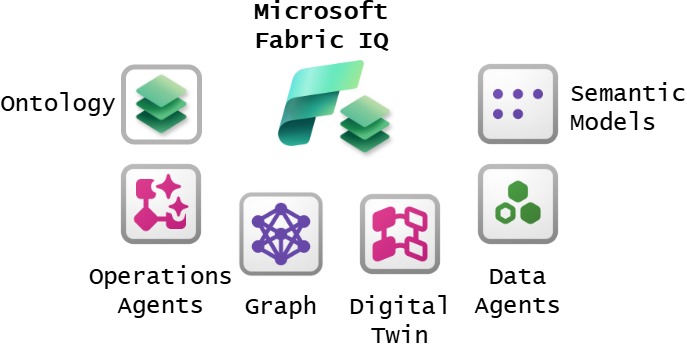
Microsoft Fabric IQ: The Foundation Data Architects Need to Know
Microsoft Fabric IQ reached general availability at Build 2026, turning what was a preview into a platform architects now need to design around. This breakdown covers Fabric IQ’s five components: Ontology, Graph, Data Agent, Operations Agent, and Semantic Model. How they reinforce one another, and the governance decisions data architects need to make now that…

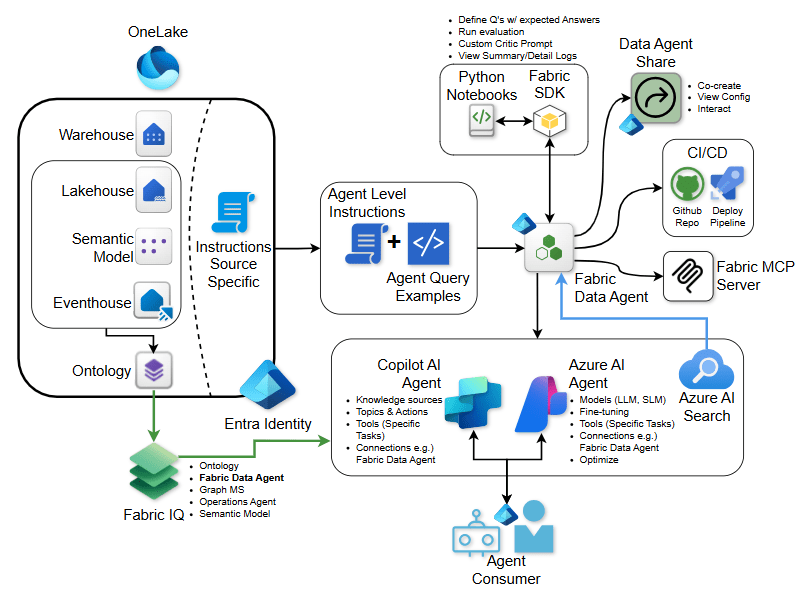
Fabric Data Agent: Structured and Unstructured Data
Explore Microsoft Fabric Data Agent’s AI-powered natural language queries across lakehouses, warehouses, semantic models, and Azure AI Search indexes.

Effective Team Structures for LLM Application Success
The development of large language model applications has become a critical capability for organizations looking to harness AI’s transformative potential. Yet many teams struggle with lengthy development cycles that seem to drag on indefinitely. The secret to breakthrough productivity isn’t just better tools or bigger budgets—it’s how you structure your development teams. Understanding the LLM…
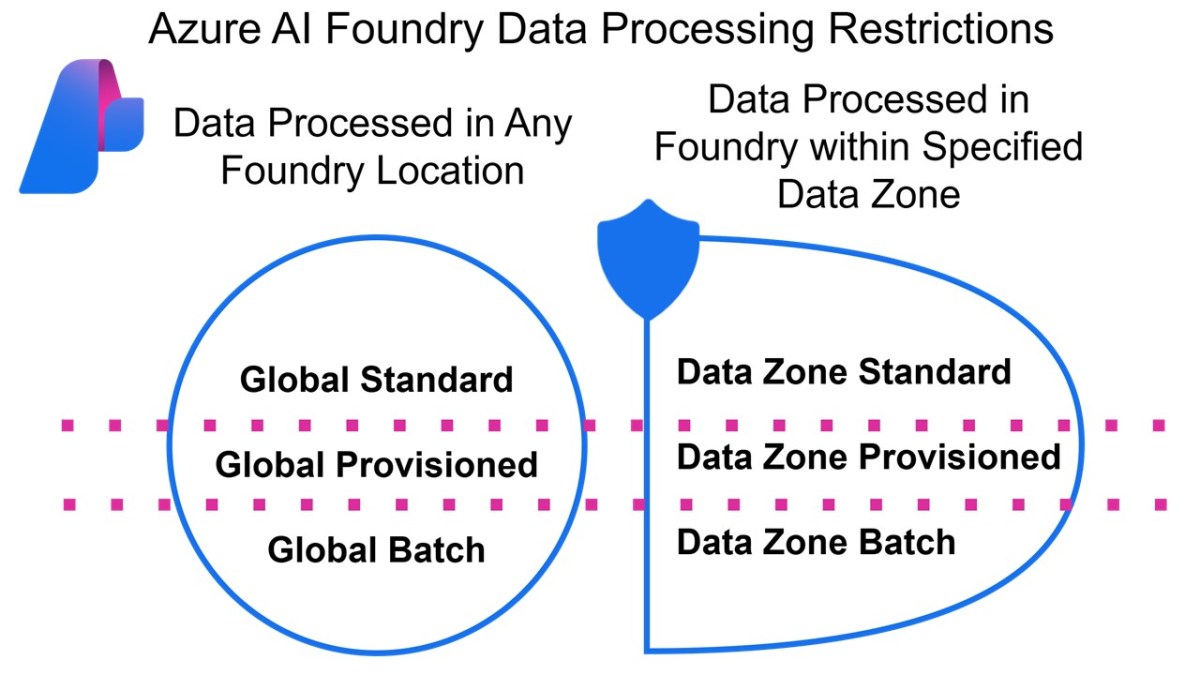
Deployment Strategies: Optimizing Microsoft Foundry Models for Cost, Performance, and Scale
Don’t let AI become a cost center. This guide breaks down Azure AI Foundry’s three deployment types: Standard, Provisioned, and Batch, and how to strategically combine them based on workload urgency, volume, and processing timelines. From batch processing’s 50% cost savings to reserved capacity for mission-critical apps, learn how to build a deployment mix that…

AI and SQL from “Ground to Cloud”
SQL Server 2025 introduces a feature that enables the creation of external model objects, encapsulating the location, authentication method of the AI model inference endpoint. This capability allows you to integrate with AI models deployed with Azure OpenAI through Azure AI Foundry, empowering users to develop cloud-based AI models and leverage them within on-premises SQL…
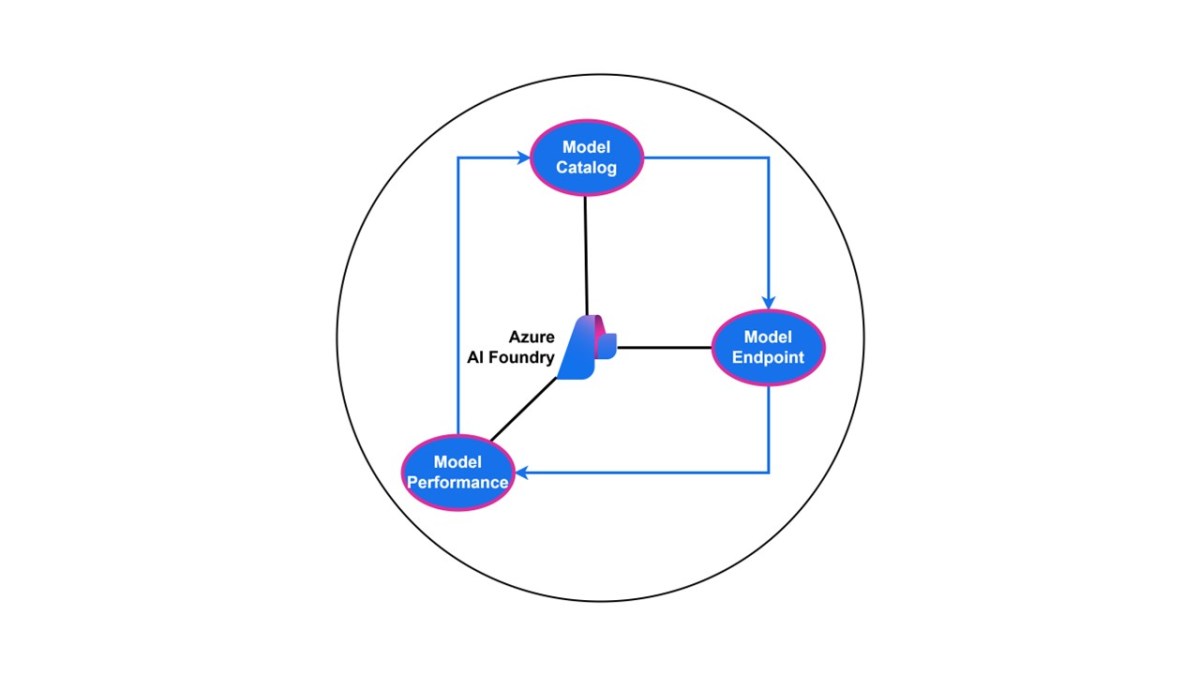
Choose Models from Azure AI Foundry: A Component Guide
I had a great conversation with my son the other day on OpenAI and how the space has evolved rapidly over a very short period of time. I wanted to put together a “basics” overview of how we solve a problem space with AI by selecting the right model, and ensuring it scales. How we…
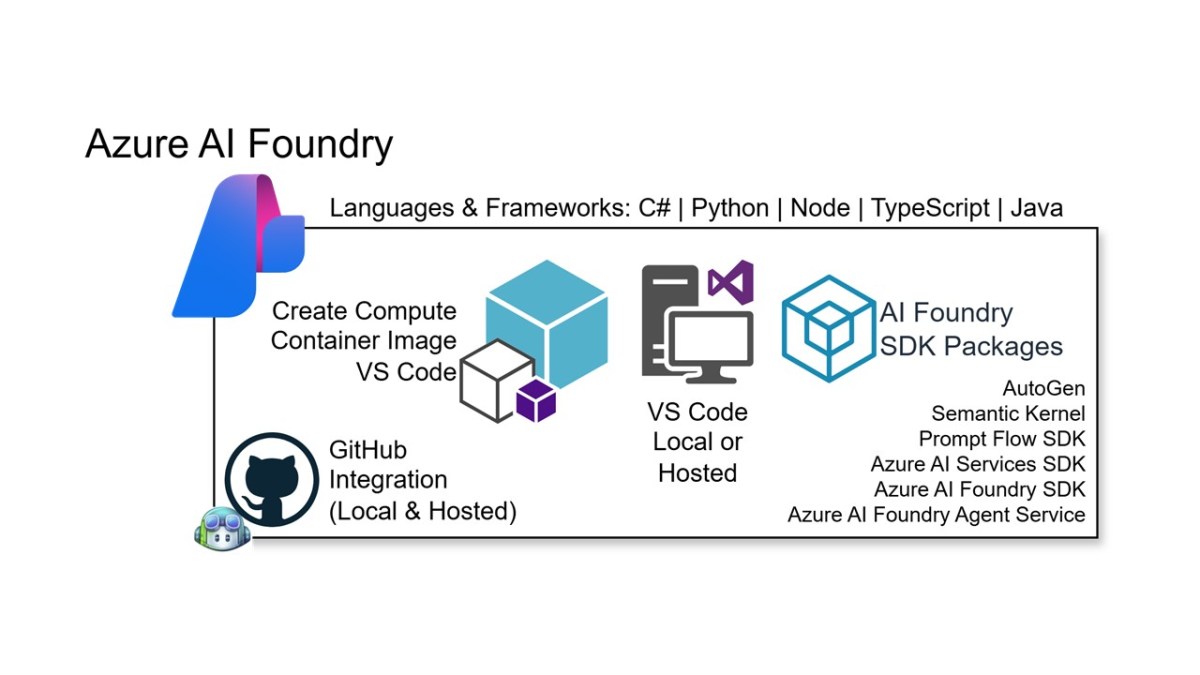
Microsoft Foundry Toolkit for VS Code: What Changed and Why It Matters
Azure AI Foundry is now Microsoft Foundry, and its VS Code extension has merged into Foundry Toolkit, the renamed AI Toolkit. This updated overview covers the new layout, model and agent workflows, and managing Foundry projects from VS Code. It also explains why building for model churn matters more than ever.
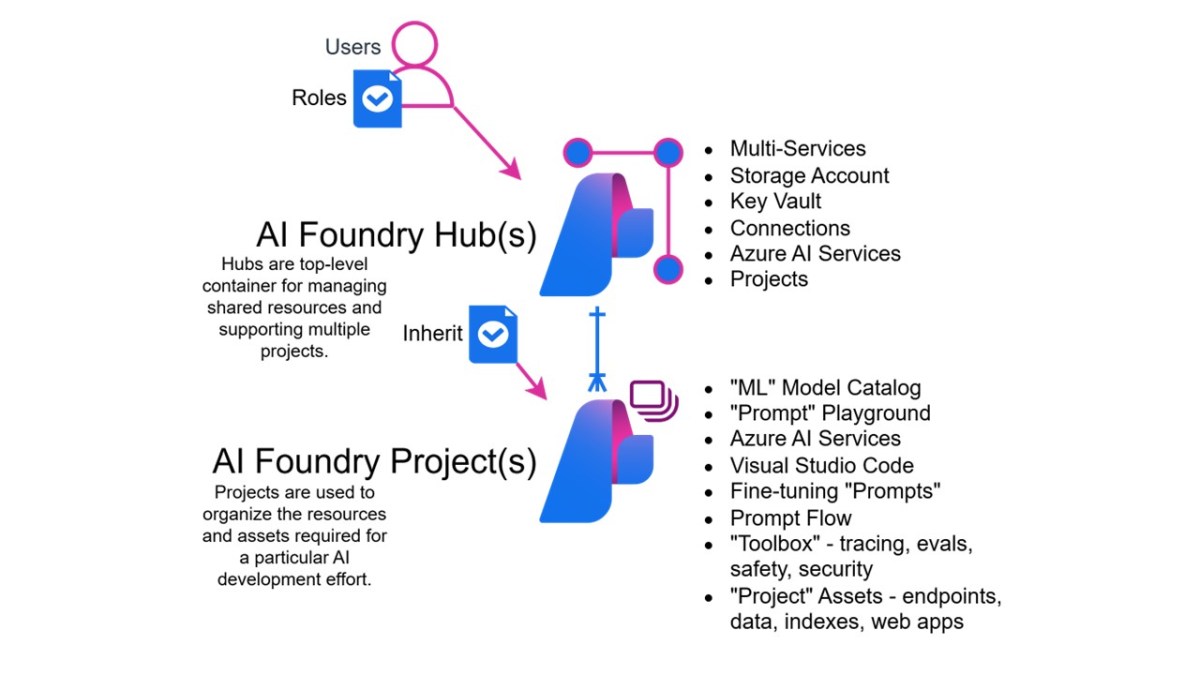
Foundry Resources and Projects in Microsoft Foundry
Microsoft Foundry has replaced the old hub-and-project model with something simpler. A single Foundry resource handles governance, networking, security, and model deployments, while projects give each team a ready-to-use space to build agents and run evaluations. This updated guide covers how the pieces fit together, how to secure them, and how many resources and projects…

Using the Microsoft Foundry Tools
Azure AI Foundry is now Microsoft Foundry, and its prebuilt AI services are called Foundry Tools. This updated guide covers the current lineup, including the new Content Understanding. It also lists which legacy services are retired, then explains pricing, development options, and security. Finally, I walk through how I use Foundry Tools to add vision,…