Databricks has grown from a platform for big data processing into one of the leading choices for building enterprise AI. It brings data engineering, analytics, machine learning and AI agents together on one lakehouse. On this page I gather my practical guides to its AI capabilities. Start with the Databricks Mosaic AI framework to compare code, no-code and Multi-Agent Genie approaches. Then see how to build task-specific agents with Agent Bricks and how to coordinate multiple agents with the Databricks Supervisor Agent. You can also learn how Model Context Protocol (MCP) is changing data engineering across Databricks, Microsoft Fabric and Snowflake. Each guide draws on 20 years of enterprise data management, with a focus on what actually works in production.
- Building AI Systems with Databricks Multi-Agent Supervisor
- AI-Powered Data Engineering with Model Context Protocol
- Agent Bricks: Advancing Task-Specific Agent Development
- Databricks Mosaic AI Framework
- ORM – Financial Services: Insurer, Claim, Policy Holder, Contract, Contract Claim
- ORM – Financial Insurance: Insurer, Underwriting, Policy, Contract, Agent
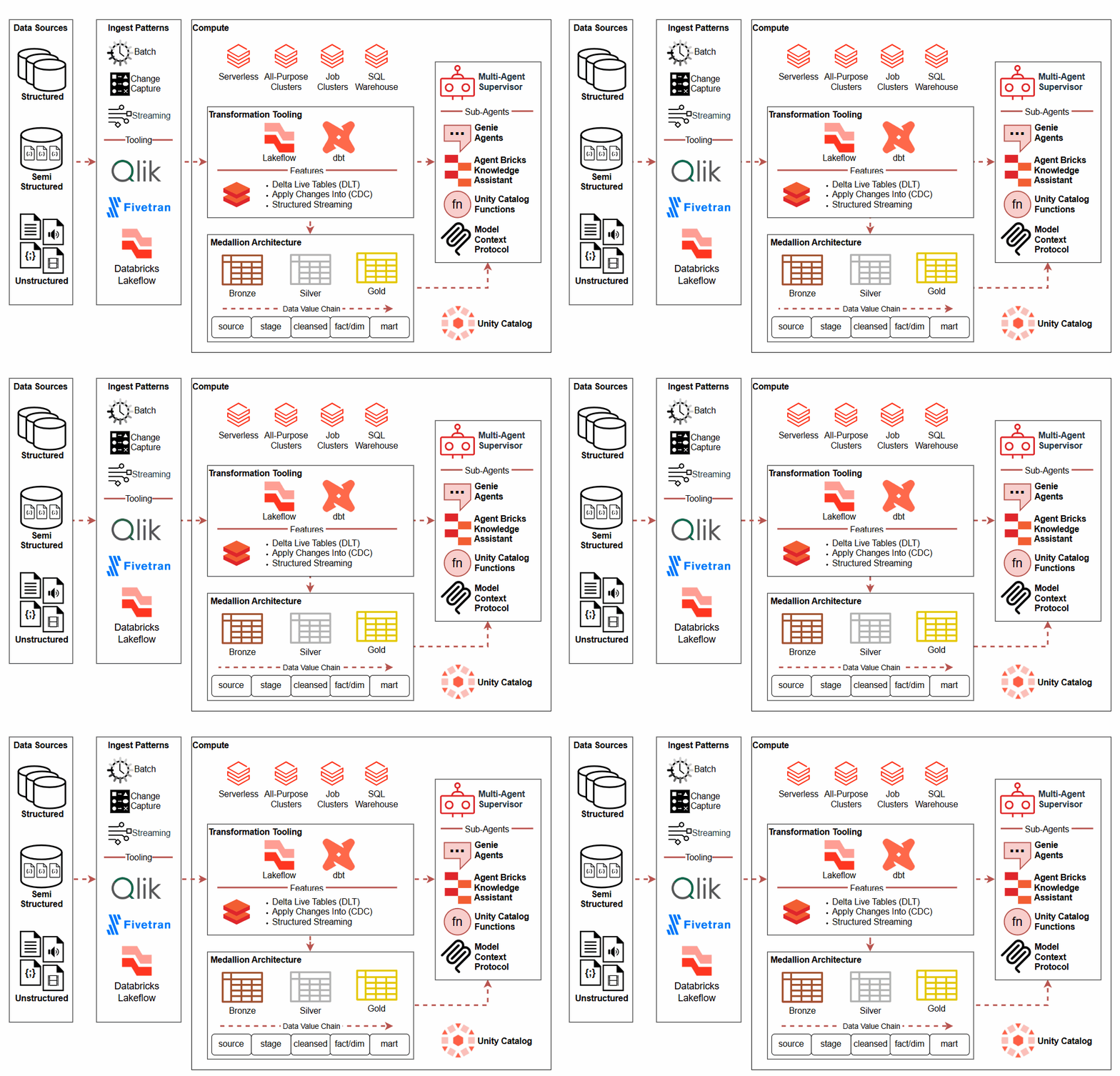
Building AI Systems with Databricks Multi-Agent Supervisor
Updated Date: Enterprise AI has evolved beyond simple chatbots answering single questions. Modern organizations need AI systems that can handle complex queries spanning multiple data sources, domains, and knowledge types. The Supervisor Agent (Databricks’ orchestration layer for coordinating specialized AI agents, now generally available) addresses this challenge by orchestrating specialized AI agents into a coordinated…


AI-Powered Data Engineering with Model Context Protocol
The same protocol that connects AI agents to your data can also speed up the people who build it. This post compares how Microsoft Fabric, Databricks, and Snowflake each approach Model Context Protocol, from Fabric’s local, developer-controlled context layer to Databricks’ managed, external, and custom server options and Snowflake’s fully managed server with built-in governance.…

Agent Bricks: Advancing Task-Specific Agent Development
Agent Bricks, Revisited: How Agents Are Built on Databricks Today Updated Date: When I wrote about Agent Bricks in June 2025, the pitch was simple. Describe the task, let Databricks handle evaluation and optimization, and improve quality through human feedback. Fifteen months later, that idea hasn’t gone away. It now sits inside a much broader…

Databricks Mosaic AI Framework
Code, No Code, Multi-Agent Databricks provides the Mosaic AI Framework as a platform for developing AI solutions through a variety of interfaces, catering to different levels of expertise and project requirements. With options for coding, no-code workflows, and the innovative Multi-Agent Genie approach for data domains, Databricks empowers developers, data scientists, and business professionals alike…
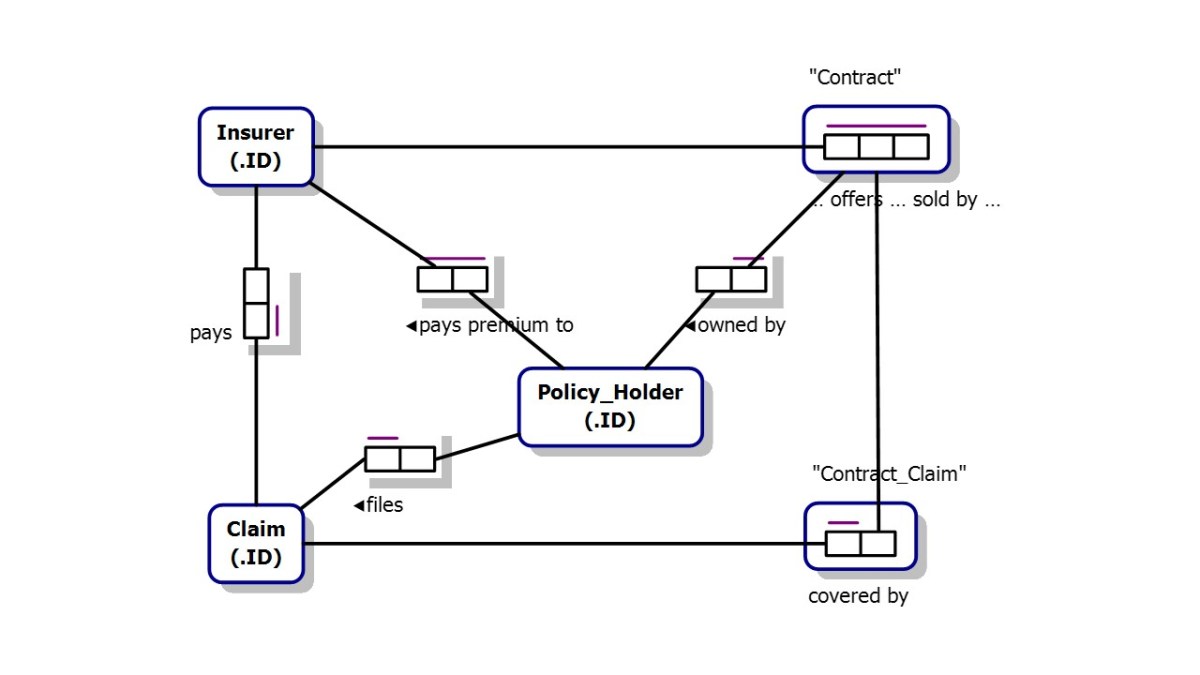
ORM – Financial Services: Insurer, Claim, Policy Holder, Contract, Contract Claim
ORM Verbiage: Insurer | Claim | Policy Holder | Contract | Contract Claim Insurer and Policy Offerings An insurer provides policies that are distributed through agents. For specific insurers and policies, the same policy may be distributed by multiple agents. Additionally, an insurer may offer multiple policies through a single agent. Conversely, a specific policy…
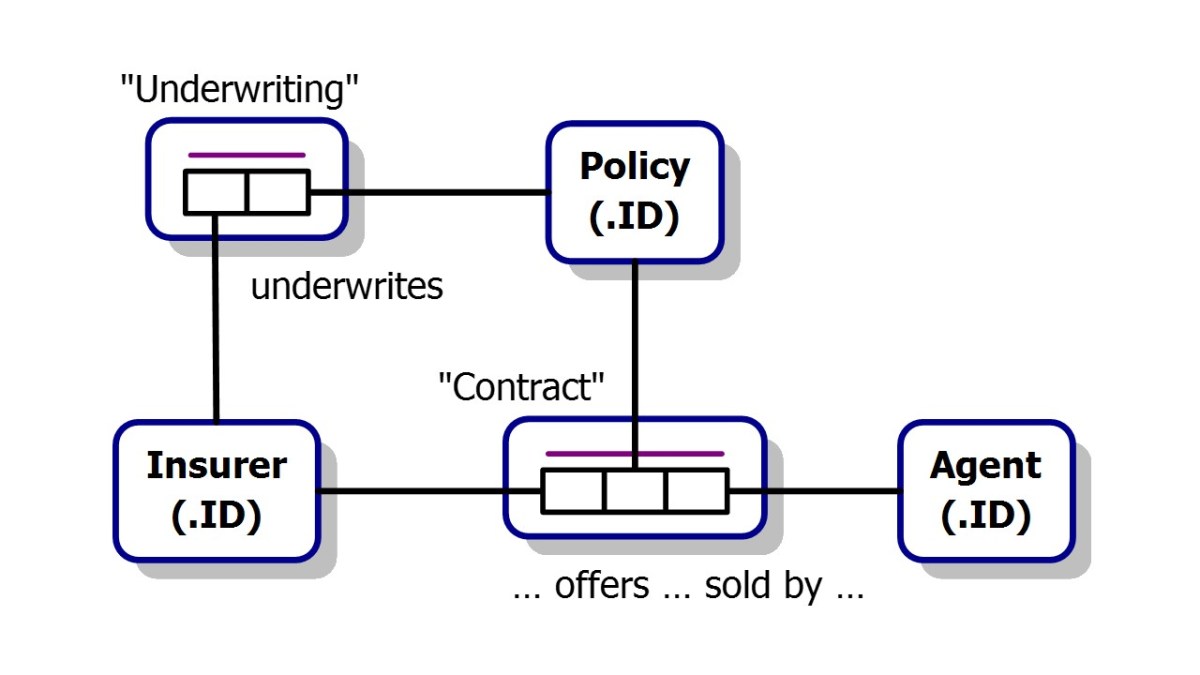
ORM – Financial Insurance: Insurer, Underwriting, Policy, Contract, Agent
Insurer | Underwriting | Policy | Contract | Agent Object Role Modeling (ORM) is a conceptual approach to database design that prioritizes simplicity and accessibility, allowing non-technical users to understand and interact with the application’s structure. As illustrated in the context of Insurer-Underwriting-Policy-Agent-Contract relationships, ORM captures intricate business rules by structuring associations such that key…