
- Microsoft Fabric IQ: The Foundation Data Architects Need to Know
- Fabric Data Agent: Structured and Unstructured Data
- Effective Team Structures for LLM Application Success
- Deployment Strategies: Optimizing Azure AI Foundry Models for Cost, Performance, and Scale
- AI and SQL from “Ground to Cloud”
- Choose Models from Azure AI Foundry: A Component Guide
- Azure AI Foundry and VS Code Integration Overview
- Leveraging Hubs and Projects in Azure AI Foundry
- Azure AI Foundry
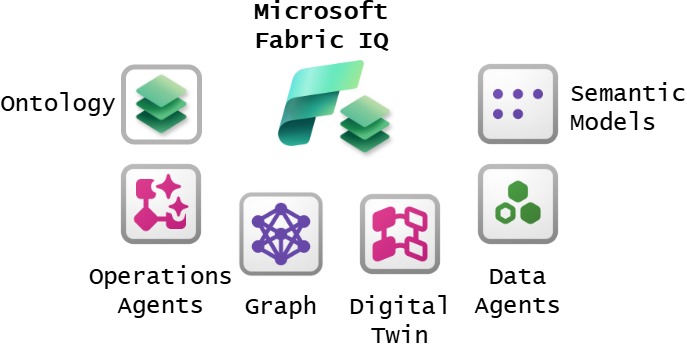
Microsoft Fabric IQ: The Foundation Data Architects Need to Know
Building Enterprise AI on a Foundation of Shared Business Meaning For Data Architects, the pressure has never been greater. Business stakeholders want conversational AI that understands their domain. Compliance teams need governed, auditable data access. Engineers need semantic consistency across lakehouses, warehouses, and real-time streams. Microsoft Fabric IQ is Microsoft’s platform to support those capabilities,…

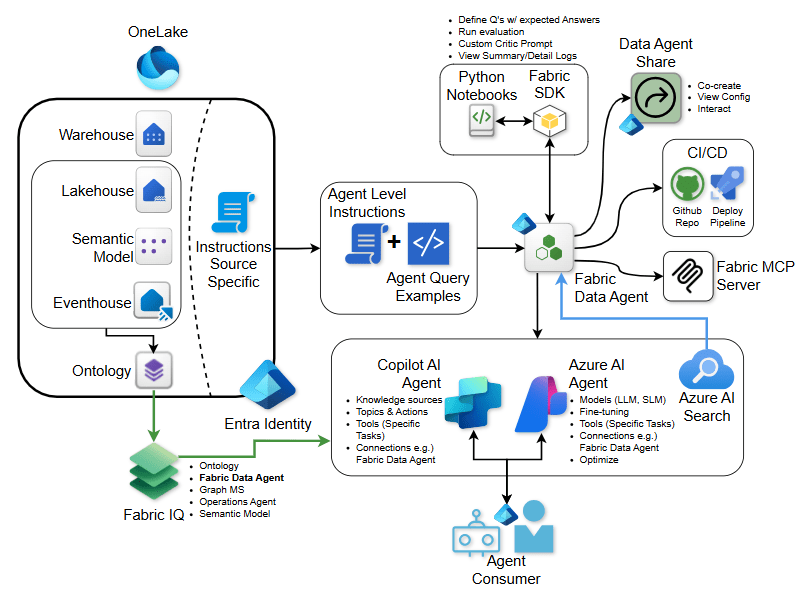
Fabric Data Agent: Structured and Unstructured Data
What is Microsoft Fabric Data Agent? Microsoft Fabric Data Agent is an AI-powered conversational system that enables users to interact with enterprise data using natural language queries, eliminating the need for complex SQL, DAX, or KQL expertise Microsoft Learn. The system uses Azure OpenAI Assistant APIs to process questions, identify relevant data sources, and generate…

Effective Team Structures for LLM Application Success
The development of large language model applications has become a critical capability for organizations looking to harness AI’s transformative potential. Yet many teams struggle with lengthy development cycles that seem to drag on indefinitely. The secret to breakthrough productivity isn’t just better tools or bigger budgets—it’s how you structure your development teams. Understanding the LLM…
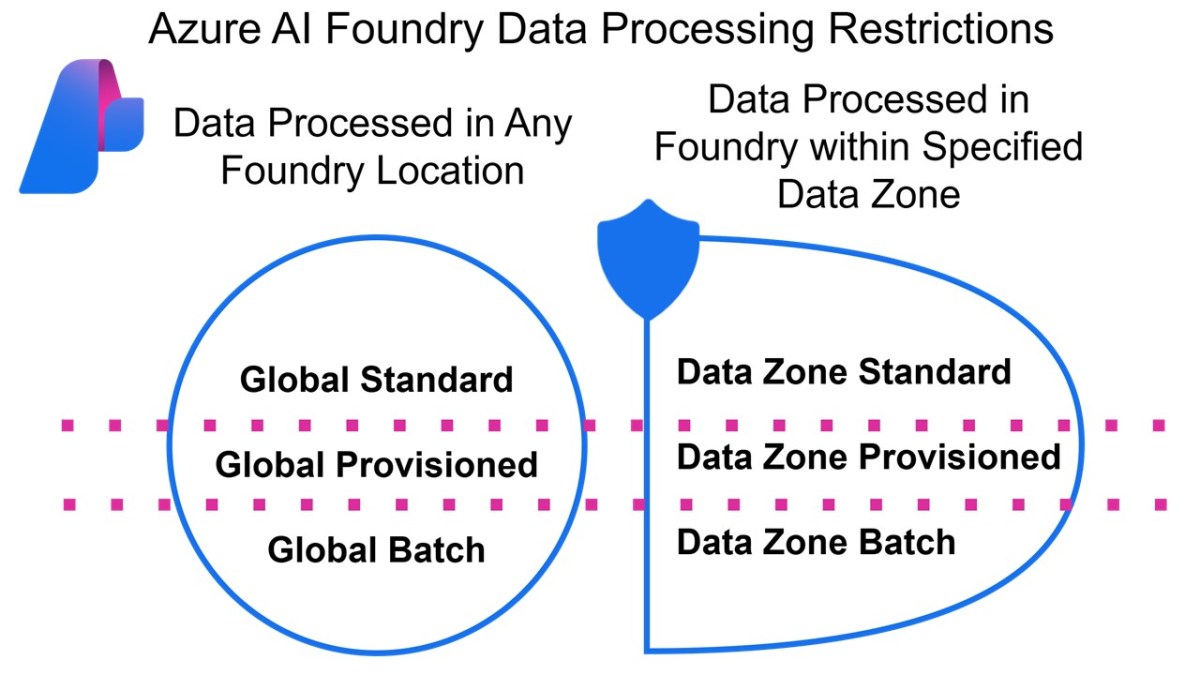
Deployment Strategies: Optimizing Azure AI Foundry Models for Cost, Performance, and Scale
Don’t let AI become a cost center. As organizations increasingly adopt AI solutions, the challenge isn’t just about choosing the right models—it’s about deploying them efficiently. Azure AI Foundry offers a deployment framework that, when properly balanced, can dramatically improve both your bottom line and operational performance. The Three Pillars of AI Foundry Deployments Azure…

AI and SQL from “Ground to Cloud”
SQL Server 2025 introduces a feature that enables the creation of external model objects, encapsulating the location, authentication method of the AI model inference endpoint. This capability allows you to integrate with AI models deployed with Azure OpenAI through Azure AI Foundry, empowering users to develop cloud-based AI models and leverage them within on-premises SQL…
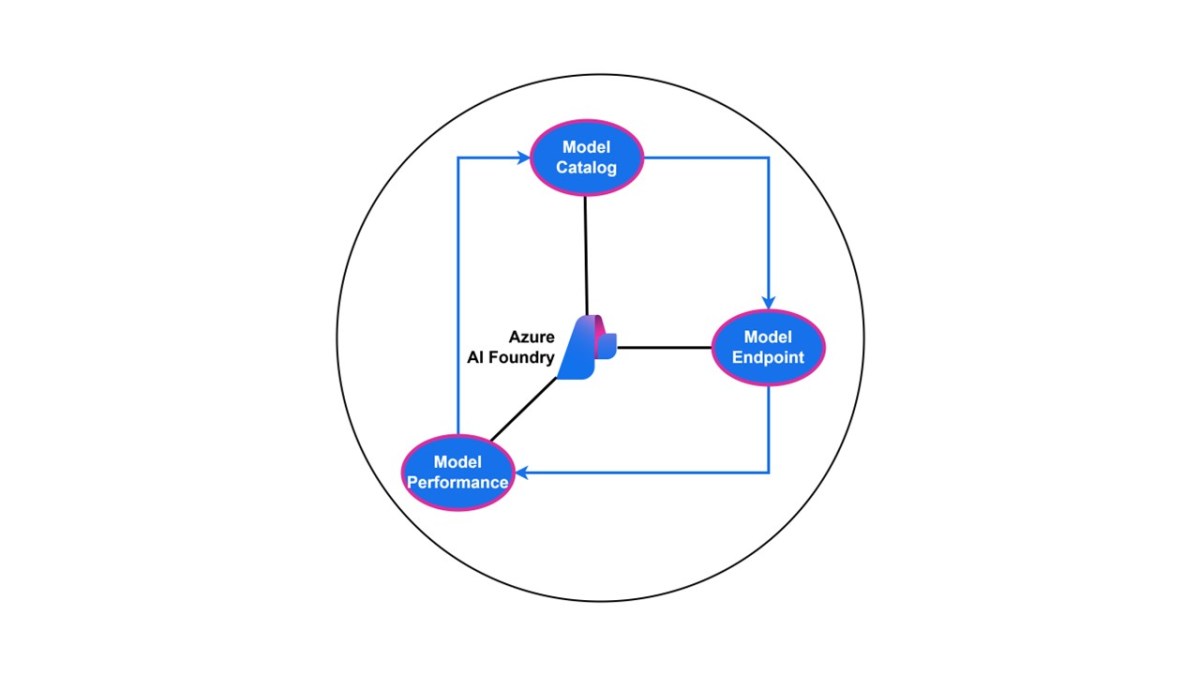
Choose Models from Azure AI Foundry: A Component Guide
I had a great conversation with my son the other day on OpenAI and how the space has evolved rapidly over a very short period of time. I wanted to put together a “basics” overview of how we solve a problem space with AI by selecting the right model, and ensuring it scales.
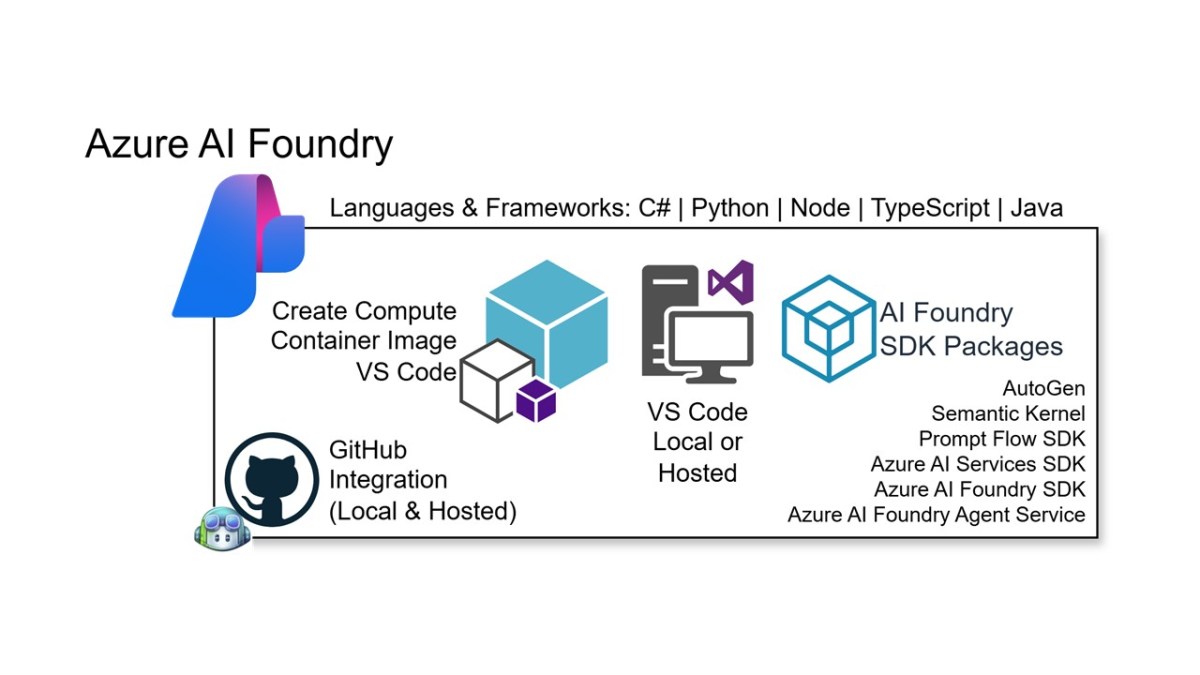
Azure AI Foundry and VS Code Integration Overview
The Visual Studio Code extension for Azure AI Foundry allows users to perform much of their AI workflow directly within the VS Code environment. This includes: The integration of Azure AI Foundry with Visual Studio Code simplifies and elevates the process of developing, deploying, and managing AI applications, making it an invaluable tool for enterprises…
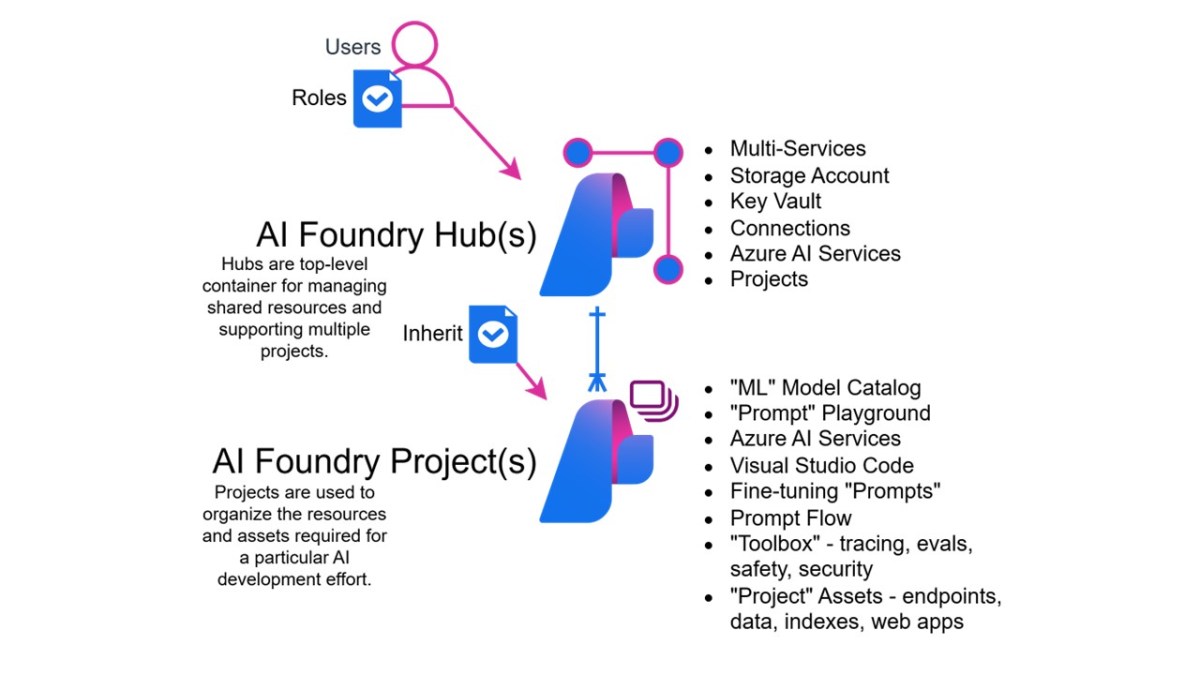
Leveraging Hubs and Projects in Azure AI Foundry
Azure AI Foundry offers a structured and efficient framework for managing AI resources and development efforts by leveraging the concepts of Hubs and Projects. Hubs: Centralized Resource Management Hubs act as top-level containers that simplify the management of shared resources across multiple AI initiatives. This centralized approach enhances collaboration and resource allocation, ensuring that various…

Azure AI Foundry
A Multi-Service Resource Azure AI Foundry Services represent a robust suite of tools and solutions designed to empower businesses with advanced artificial intelligence capabilities. These services provide organizations with the ability to integrate machine learning, cognitive services, and data analytics at scale, enabling transformative insights and operational efficiency. By leveraging Microsoft’s Azure platform, AI Foundry…
 Ross McNeely