
Why technical excellence isn’t enough—and how to build the collaboration framework that actually delivers results
After working many data and AI engagements, I’ve learned a hard truth: the most sophisticated algorithms and cleanest datasets won’t save a project if your stakeholders aren’t aligned. In fact, poor stakeholder alignment is one of the top reasons why technically sound AI initiatives fail to deliver business value.
The challenge isn’t just getting everyone in the same room. The challenge is creating a structured framework where diverse teams can collaborate effectively throughout the project lifecycle. Here’s how to build that framework from the ground up.
Start with Strategic Stakeholder Mapping
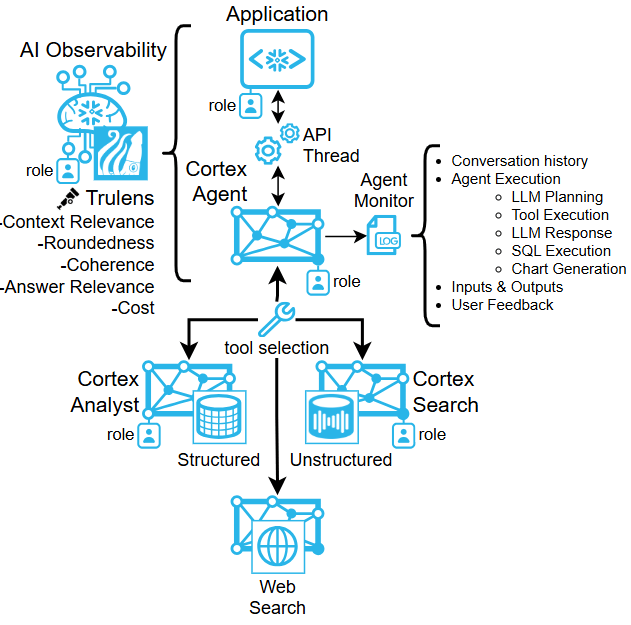
Before writing a single line of code, you need to understand your human landscape. Modern data and AI projects involve an increasingly complex web of stakeholders across business units, IT teams, data engineering, data science, agent engineers, and end-users. Each group brings different perspectives, priorities, and definitions of success.
The key is moving beyond simple stakeholder lists to create influence vs. interest matrices. Map each stakeholder group based on their level of influence over project outcomes and their interest in project success. This reveals where to focus your engagement efforts—high influence, low interest stakeholders need different attention than high interest, low influence groups.
Understanding motivations is equally critical. Your CFO cares about ROI and cost control. Data scientists want to solve interesting technical challenges. End-users need solutions that make their jobs easier, not harder. These aren’t competing interests—they’re different lenses through which to view project success.
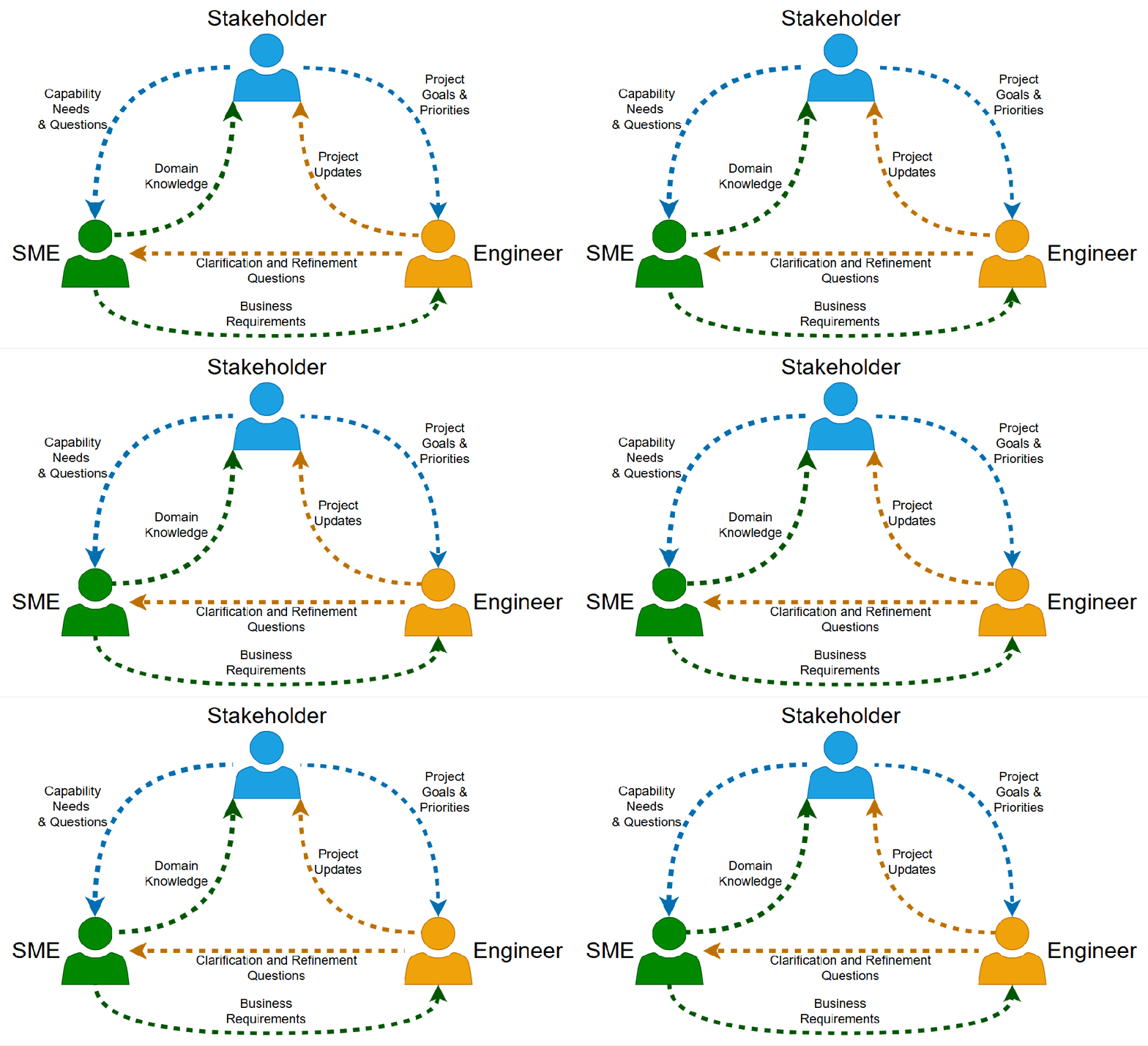
Define Roles Before Conflicts Arise
One of the most common sources of project friction comes from unclear roles and responsibilities. Who makes the final call on model accuracy thresholds? When business requirements conflict with technical constraints, who decides the trade-offs? How do data engineers, data modelers, data scientists, and agent engineers coordinate their interdependent work?
RACI matrices (Responsible, Accountable, Consulted, Informed) might seem like corporate bureaucracy, but they prevent the kind of confusion that derails projects months into development. Define these roles for each major project phase, not just overall project ownership.
Pay special attention to decision-making authority and escalation paths. When stakeholders understand exactly how decisions get made and where to escalate conflicts, they’re more likely to engage constructively rather than work around the system.

Build Communication Architecture, Not Just Communication Plans
Effective communication in AI projects requires more than regular status meetings. Different stakeholder groups need different types of information at different frequencies. Your steering committee needs strategic updates monthly, while your development teams may need daily coordination.
Create standardized reporting templates and dashboards that provide project visibility without overwhelming stakeholders with irrelevant details. But perhaps most importantly, establish common vocabulary. The term “model accuracy” means different things to data scientists and business users. “Real-time processing” has different implications for different technical teams.
Bridge these language gaps early and consistently. Consider creating a project glossary that evolves throughout the engagement.
Navigate Competing Priorities with Frameworks, Not Politics
Stakeholder conflicts are inevitable in complex Data and AI projects. Business units want features that serve their specific needs. IT teams prioritize security and maintainability. Budget holders focus on cost efficiency. Rather than letting these conflicts escalate into political battles, establish clear frameworks for making trade-offs.
Set realistic expectations about Data, AI and ML capabilities from the start. Many stakeholders have inflated expectations shaped by media coverage of AI breakthroughs. Others are overly skeptical based on past data quality disappointments. Both extremes can undermine project success.
Create explicit trade-off frameworks that help stakeholders understand the relationships between competing objectives. If you want higher model accuracy, it might mean longer development time or higher computational costs. Make these trade-offs visible and structured.
Build Trust Through Transparency and Early Wins
Skeptical stakeholders can kill even the most promising AI initiatives. Instead of trying to convince them through presentations, involve them in the scoping process. When stakeholders help define success criteria and participate in key decisions, they become invested in outcomes rather than obstacles to progress.
Demonstrate value early through proof-of-concept results. But be strategic about what you showcase. Early wins should be meaningful enough to build momentum while setting appropriate expectations for full implementation.
Address misconceptions head-on. If stakeholders believe AI will replace human judgment entirely, or that machine learning models work like traditional software, correct these misunderstandings early. Misconceptions compound over time and create unrealistic timeline expectations.
Establish Governance That Scales
Successful Data and AI projects need governance structures that can handle both day-to-day coordination and major strategic decisions. Steering committees should include representatives from all major stakeholder groups, but keep them focused on strategic issues rather than operational details.
Create approval gates and checkpoints for major project decisions. These shouldn’t be bureaucratic obstacles—they’re opportunities to ensure continued alignment as projects evolve. Data and AI projects are inherently iterative, and what you learn during development may change your original scope.
Define change management processes upfront. When scope modifications become necessary (and they will) having clear processes prevents changes from derailing progress or creating stakeholder conflicts.
The Payoff: Projects That Actually Deliver
This framework might seem like significant upfront investment, but it pays dividends throughout project execution. When stakeholders are properly aligned, projects move faster, encounter fewer roadblocks, and deliver results that actually get adopted.
The most technically impressive AI solution is worthless if stakeholders can’t agree on its value or don’t know how to integrate it into their operations. But when you invest in alignment from the start, you create the conditions for sustained success that extends far beyond project delivery. Remember: in data and AI projects, your most important algorithm might be the one that aligns human intelligence around common goals.

 Ross McNeely
Leave a reply to Scoping Data and AI Projects – Ross McNeely Cancel reply