
Throughout my career, I have crafted innovative data, AI, and digital solutions across a diverse array of industries, including healthcare, manufacturing, and finance. In healthcare, I designed conversational analytics for population health management, empowering users to naturally utilize data for enhanced patient outcomes and proactive care strategies. In the manufacturing sector, I developed digital solutions for data telemetry streaming, augmenting operational efficiency and improving real-time decision-making capabilities. In finance, I created comprehensive analytical solutions for insurance companies, banks, and investment firms, facilitating thorough risk assessment, investment analysis, and strategic planning. These bespoke solutions have enabled organizations to leverage the power of data, drive innovation, and achieve their strategic goals.
Artificial Intelligence Governance
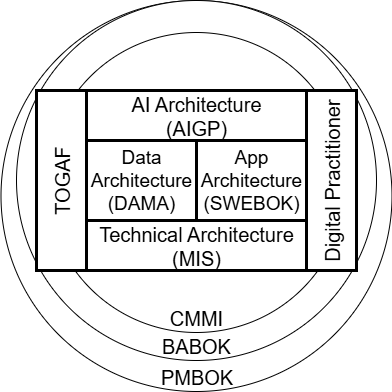
The Artificial Intelligence Governance Professional (AIGP) guide provides immense value from applying lessons learned to organizations seeking to build responsible and future-ready artificial intelligence programs. It equips professionals with practical strategies for managing the complexities of AI development, deployment, and oversight in today’s rapidly evolving landscape. Including…
- Establish cross-functional governance teams
- Prioritize documentation and assessment steps
- Enable sustainable and responsible innovation
Business Analysis Influence
Throughout my career, the Guide to the Business Analysis Body of Knowledge (BABOK Guide) has been instrumental in conducting performance gap analysis within various organizations. By leveraging the structured methodologies and best practices outlined in the BABOK Guide, I have been able to systematically identify discrepancies between current performance levels and desired outcomes. This process involves a thorough examination of existing processes, data, and stakeholder feedback, followed by the application of the BABOK’s analytical techniques to pinpoint areas requiring improvement. The guide’s emphasis on aligning business analysis practices with organizational goals ensures that the strategies I develop are not only effective but also strategically aligned. This holistic approach has enabled me to drive actionable insights, optimize workflows, and enhance overall business performance, thereby contributing significantly to the achievement of organizational objectives.
Project Management Influence
The Guide to the Project Management Body of Knowledge (PMBOK Guide) has been a cornerstone in my career, particularly in managing large-scale data and digital solutions. By applying the PMBOK’s methodologies, I have effectively planned, executed, and monitored complex projects, ensuring alignment with organizational goals and stakeholder expectations. The guide’s comprehensive approach to project management, encompassing areas such as scope, time, cost, quality, and risk management, has enabled me to deliver projects on time and within budget while maintaining high standards of quality. Utilizing the PMBOK’s principles, I have facilitated seamless integration of data systems, optimized resource allocation, and fostered collaboration among cross-functional teams. This structured framework has empowered me to navigate the challenges of large data projects, driving innovation and strategic success in the digital landscape.
Capability Maturity Influence
The Capability Maturity Model Integration (CMMI) framework has been instrumental in my work with numerous customers, helping them assess and enhance their data and analytics maturity. By utilizing CMMI, I have been able to systematically evaluate their current capabilities, identify gaps, and develop tailored strategies to advance their maturity levels. This process involves a thorough analysis of their data management practices, governance structures, and technological frameworks, followed by the implementation of best practices to address deficiencies. The CMMI framework not only provides a clear roadmap for improvement but also fosters a culture of continuous enhancement, ensuring that development teams and organizations evolve towards becoming more data-driven. Using CMMI concepts I have enabled customers to optimize their data assets, drive innovation, and achieve strategic objectives more effectively.
Data Management Influence
The Data Management Body of Knowledge (DAMA) is a comprehensive framework I have leveraged multiple times that is designed to guide organizations in the effective management and utilization of their data assets. It provides a structured approach to data governance, data quality, data architecture, and data operations, ensuring that data serves as a valuable resource for informed decision-making and strategic planning. DAMA emphasizes a holistic view of data management, incorporating various elements such as data modeling, storage, security, and integration. The framework helped at establishing clear data policies and standards to maintain consistency and reliability across the organization. It also highlights the importance of aligning data management practices with the overall business strategy to ensure that data supports organizational goals. Through its structured methodologies, DAMA helps organizations design scalable and efficient data architectures that can adapt to changing business requirements and technological advancements.
TOGAF Influence
The Open Group Architecture Framework (TOGAF) is a comprehensive approach to designing, planning, implementing, and governing enterprise architecture. Its purpose is to provide an extensive set of guidelines and best practices that help organizations align their IT strategy with their overall business goals. By facilitating a structured methodology, TOGAF enables organizations to optimize their resources, enhance efficiency, and ensure consistent and scalable solutions. Adopting TOGAF can lead to improved decision-making processes, reduced complexity, and a clearer communication path between different stakeholders. Ultimately, the framework helps organizations achieve a harmonized and agile enterprise architecture that can adapt to evolving business needs and technological advancements.
Digital Practitioner Influence
The Digital Practitioner Foundation provides a holistic approach to understanding and implementing digital practices within organizations. The guide emphasizes the importance of integrating digital technology with overall business strategies to enhance productivity, drive innovation, and maintain competitive advantage. By following its structured methodologies, organizations can achieve improved resource management, streamline operations, and foster a culture of continuous improvement. The benefits include enhanced decision-making capabilities, reduced operational complexities, and effective communication among stakeholders. This framework empowers organizations to build a responsive and resilient digital infrastructure that can swiftly adapt to market changes and technological advancements.
Software Engineering Influence
The Guide to the Software Engineering Body of Knowledge (SWEBOK Guide), published by the IEEE Computer Society (IEEE CS), serves as a vital framework for the software engineering profession. It provides a detailed and comprehensive overview of the knowledge areas that are essential for effective software engineering, encompassing topics such as requirements analysis, design, coding, testing, maintenance, and project management. By delineating best practices and standardized methodologies, the SWEBOK Guide promotes consistency and quality across the industry, aiding both practitioners and organizations in achieving higher efficiency and reliability in their software development processes. The guide supports the alignment of software engineering practices with organizational goals, ensuring that software solutions are not only technically sound but also strategically beneficial. Ultimately, the SWEBOK Guide fosters professional skillsets, and industry standards.
Management Information Systems Influence
An education in Management Information Systems (MIS) provided invaluable benefits that extend across various aspects of business and technology. It equipped me with a unique blend of technical proficiency and business acumen, enabling me to design, implement, and manage information systems that support organizational goals. Graduating with an Associates in MIS degree enabled me to analyze complex business problems, leveraging data-driven decision-making, and optimizing processes through the integration of technology. This interdisciplinary expertise opened doors to diverse career opportunities early in my career in fields such as systems analysis, IT management, data analytics, and cybersecurity. The MIS degree fostered critical thinking, problem-solving skills, and effective communication, all of which are essential for navigating the dynamic and ever-evolving landscape of modern business environments. An MIS degree empowered me to drive innovation, enhance operational efficiency, and contribute to the strategic success of organizations I have worked at.
Enterprise Data Management
- Governance
- Architecture
- Observability
- Warehouse
- Integration
- Metadata
- Modeling
- Analytics
- Security
- Storage
- Quality
- Master
- ML/AI
Data Platforms & Services
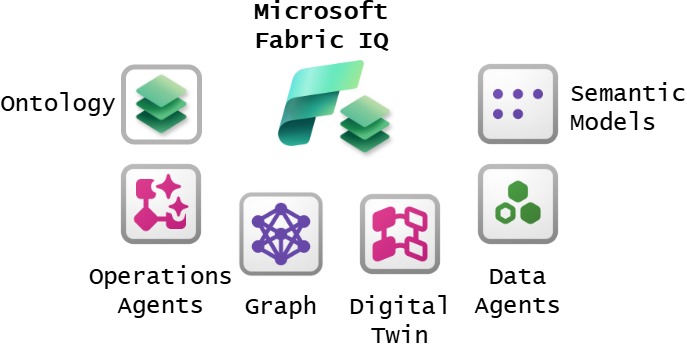
- Microsoft Fabric
- SQL Server
- Databricks
- Snowflake
- + Power BI
Frameworks / Methods
- TOGAF
- DAMA
- Zachman
- Digital Practitioner
- Project Management
- Business Analysis
 Ross McNeely